See the task.
Observe how the work is actually performed, including reach, movement, pace, handling, visibility, and interaction with tools.

Identify the posture, repetition, force, layout, equipment, and work patterns that place unnecessary strain on people.
Discuss your workplace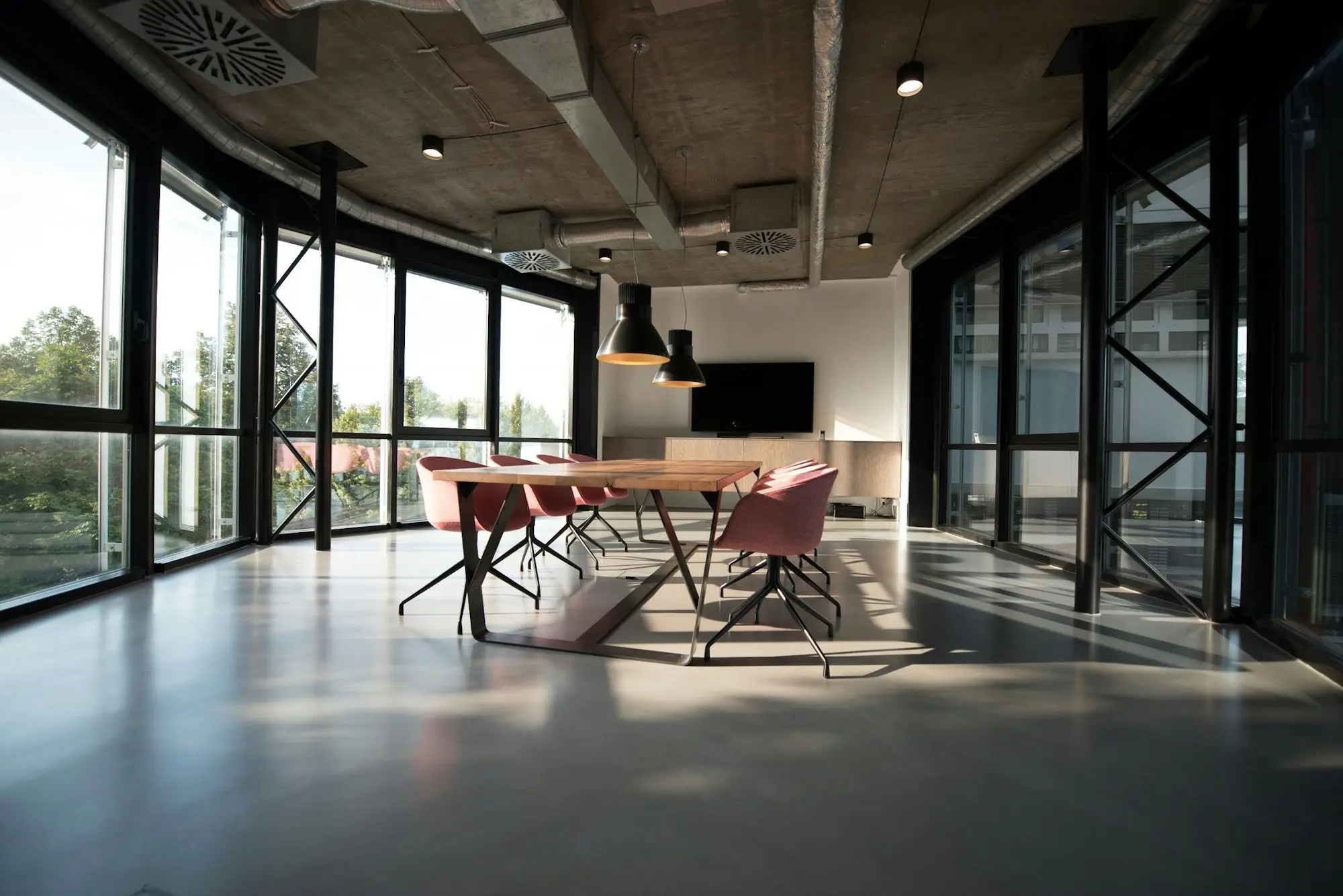
Discomfort is rarely explained by one chair or one movement. Useful ergonomics looks at the complete task, the person doing it, the equipment they use, and the conditions around the work.
Observe how the work is actually performed, including reach, movement, pace, handling, visibility, and interaction with tools.
Separate the factors that create avoidable load, repetition, awkward posture, pressure, or inadequate recovery.
Prioritise practical adjustments to layout, equipment, methods, scheduling, training, and supervision.
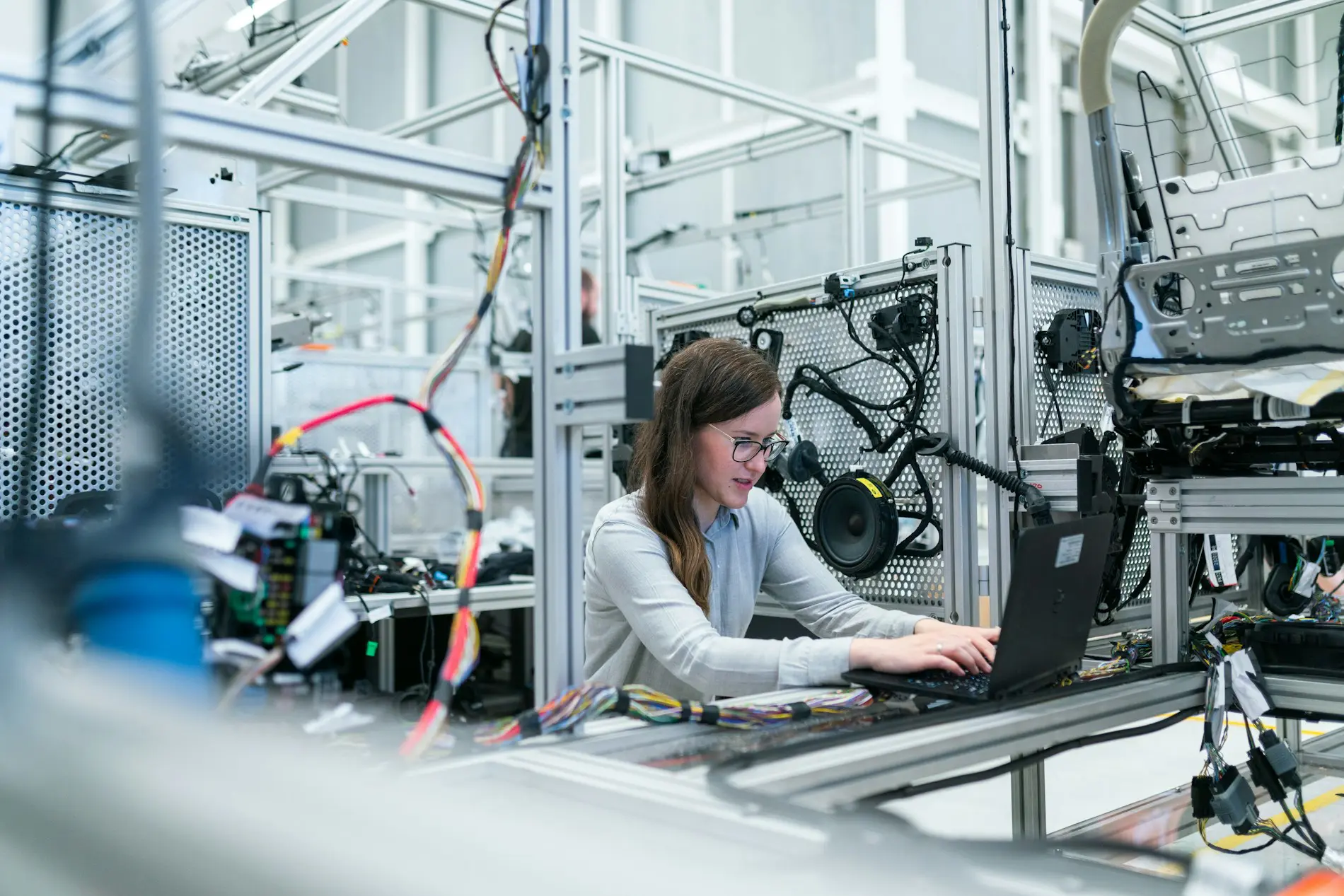
Ergonomic risk can sit in an office, production line, vehicle, warehouse, workshop, kitchen, control room, or any task where the work demands more than the body can comfortably sustain.
The goal is not a report that sits apart from operations. It is a clear set of improvements that the business can prioritise, implement, and review.
Observe the task, speak with the people doing it, review available information, and identify the main exposure points.
Separate immediate adjustments from equipment, layout, process, or organisational changes that need planning.
Translate recommendations into practical responsibilities, specifications, training, and changes to the work.
Check whether the adjustment works in practice and refine it when the task, equipment, or workforce changes.
The scope follows the task and the people exposed, from one workstation concern to a broader ergonomics programme.
Talk through the concernDesk layout, seating, screens, input devices, lighting, working habits, and hybrid or home-working arrangements.
Handling, lifting, carrying, pushing, pulling, repetitive activity, tools, assembly, packing, and production tasks.
Vehicle setup, access, visibility, vibration, sustained posture, loading activity, and the demands around the route.
Ergonomics standards, assessment routines, procurement guidance, employee awareness, supervisor support, and review processes.
Confirm the task, the people affected, the work environment, current concerns, and what decisions the assessment needs to support.
No. Ergonomics applies anywhere work design creates physical or cognitive demands, including offices, vehicles, warehouses, workshops, production environments, kitchens, and field work.
Yes. The scope can begin with a specific workstation, task, concern, or return-to-work situation and expand only when the evidence shows a broader need.
Not necessarily. Many improvements begin with layout, adjustment, work method, task variation, training, or clearer equipment selection. Recommendations should reflect the exposure and practical operating constraints.
Yes. Support can include priorities, equipment or layout requirements, employee guidance, supervisor briefings, programme development, and follow-up review.
Tell us about the task, workplace, people affected, and the concern you need to resolve. We’ll help define the right assessment.
Plan an ergonomics assessment