People keep changing.
New teams, trades, visitors, suppliers, and subcontractors enter the site with different responsibilities and levels of familiarity.

Keep clients, project teams, principal contractors, contractors, supervisors, and workers aligned as the build moves from planning through handover.
Discuss the project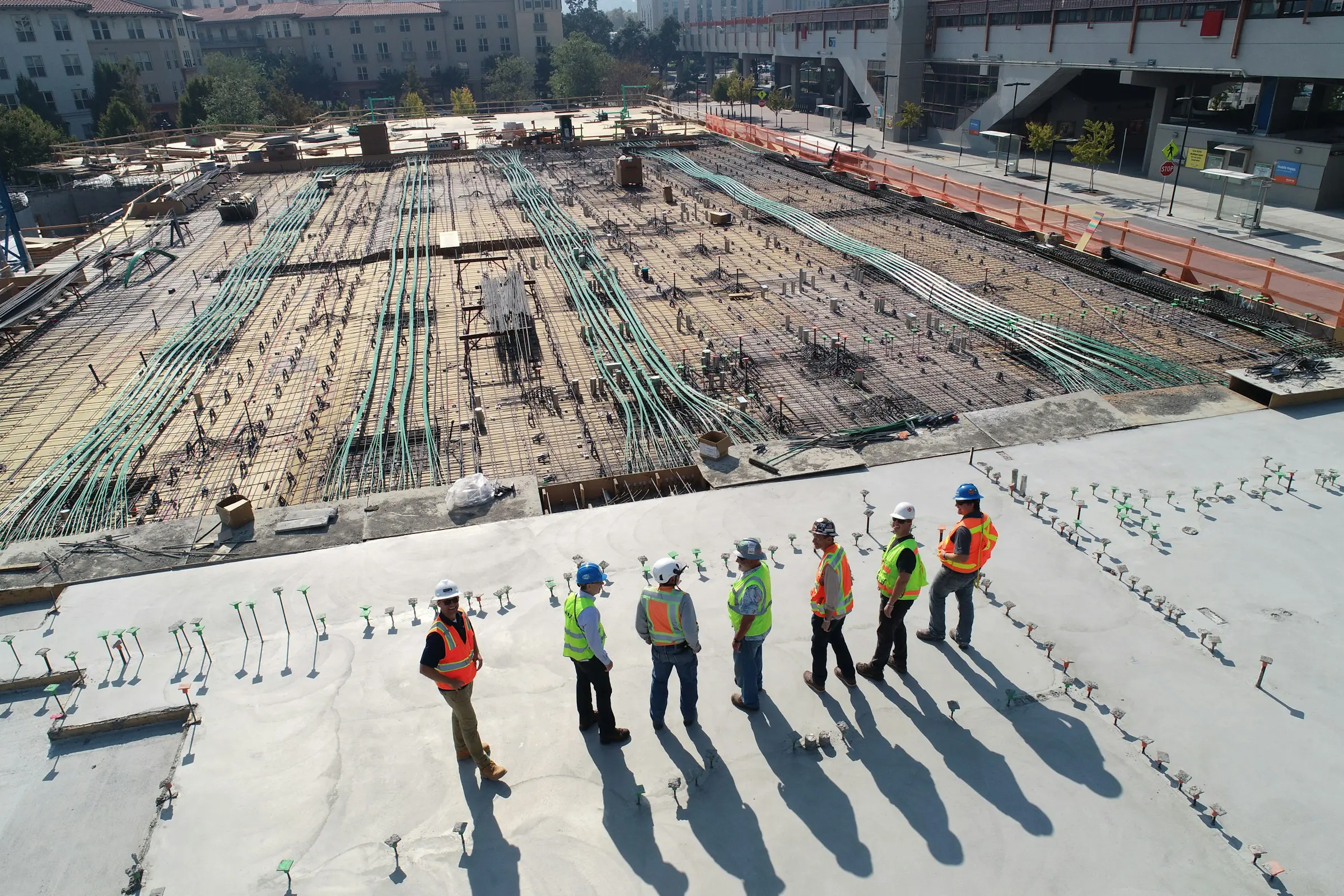
Activities overlap, access routes shift, structures rise, temporary works change, and new contractors arrive. Effective control has to move with the project rather than stay trapped in the original plan.
New teams, trades, visitors, suppliers, and subcontractors enter the site with different responsibilities and levels of familiarity.
Groundworks, structures, services, finishes, testing, and handover create different interfaces and exposure.
Inspections, permits, meetings, briefings, findings, incidents, and corrective actions must reflect what is happening now.
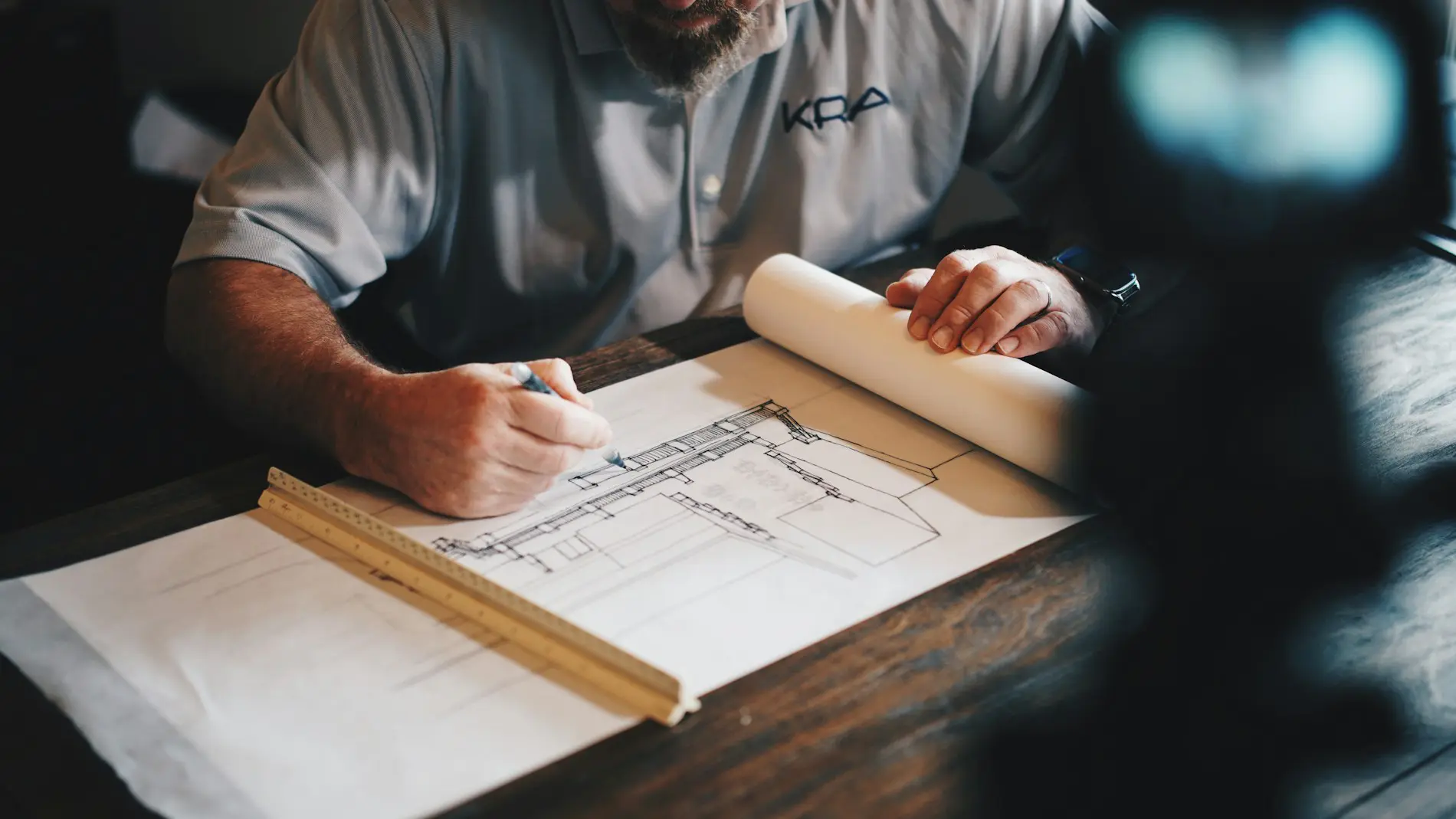
Each project phase changes what can go wrong, who is exposed, and which decisions must be made before work proceeds.
The most serious failures often sit between teams, phases, equipment, and responsibilities rather than inside one isolated task.
Edges, openings, scaffolds, ladders, temporary access, falling objects, and changing work areas.
Mobile plant, lifting, deliveries, reversing, pedestrians, public interfaces, and constrained site routes.
Excavations, temporary works, formwork, stability, stored materials, sequencing, and structural change.
Electrical work, isolation, hot work, confined spaces, commissioning, and activities requiring formal authorisation.
The same site looks different from the perspective of the client, professional team, principal contractor, or specialist contractor.
Talk through your roleProject information, expectations, procurement input, appointments, resources, monitoring, escalation, and assurance across the project.
Design risk, coordination, buildability, sequencing, specifications, changes, temporary works interfaces, and information passed to site.
Site systems, contractor control, inductions, permits, inspections, meetings, incidents, corrective actions, and management reporting.
Task planning, competencies, equipment, methods, supervision, documentation, interfaces, and evidence for the work being delivered.
Confirm the project stage, your role, parties appointed, work underway, immediate concern, and the evidence currently available.
Yes. Early involvement can address project information, design and procurement interfaces, appointments, contractor expectations, documentation, site establishment, and readiness before mobilisation.
Yes. The first step is to understand the current stage, immediate exposure, existing arrangements, responsible parties, and which decisions or corrective actions cannot wait.
A common project framework can define the site standard, while each contractor remains responsible for competent people, suitable methods, equipment, supervision, and records for its work.
Bring the project scope, programme, current appointments, contractor information, available safety documentation, recent reports, key findings, and details of the issue prompting the review.
Tell us the stage, your role, the contractors involved, and where control feels uncertain. We’ll help define the right next step.
Discuss construction risk