The process holds energy.
Pressure, temperature, hydrocarbons, chemicals, electricity, stored energy, ignition sources, and connected systems remain present even when equipment appears inactive.

Connect process operations, permits, isolation, maintenance, contractors, simultaneous work, emergency readiness, and evidence through practical control.
Discuss the operation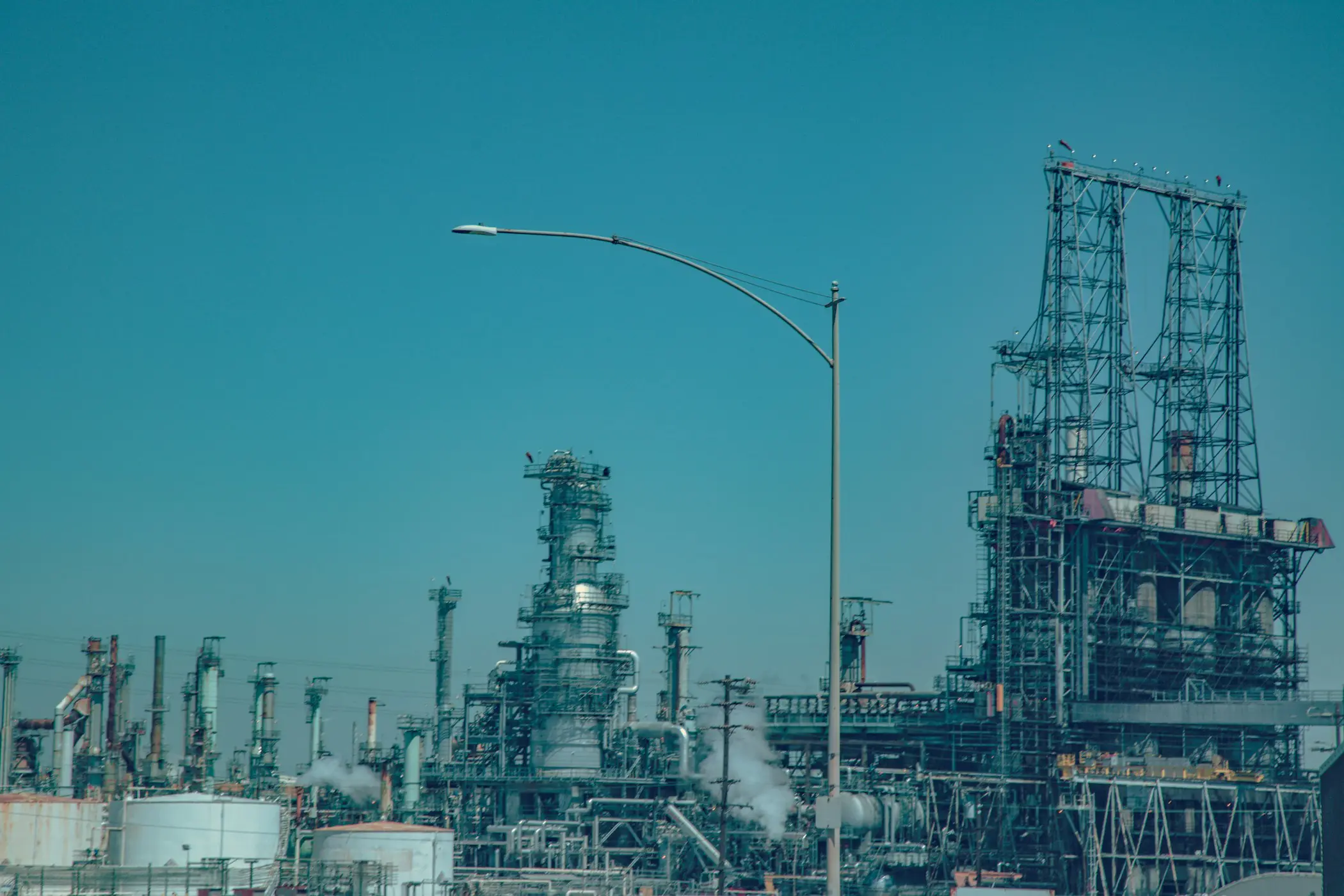
Process energy may be constant, but the boundary changes whenever equipment is inspected, isolated, opened, cleaned, repaired, tested, modified, or returned to service.
Pressure, temperature, hydrocarbons, chemicals, electricity, stored energy, ignition sources, and connected systems remain present even when equipment appears inactive.
Sampling, draining, breaking containment, hot work, entry, lifting, testing, and reinstatement create conditions outside normal operation.
Operations, maintenance, projects, vendors, contractors, specialists, control rooms, and emergency teams may each own part of the same intervention.
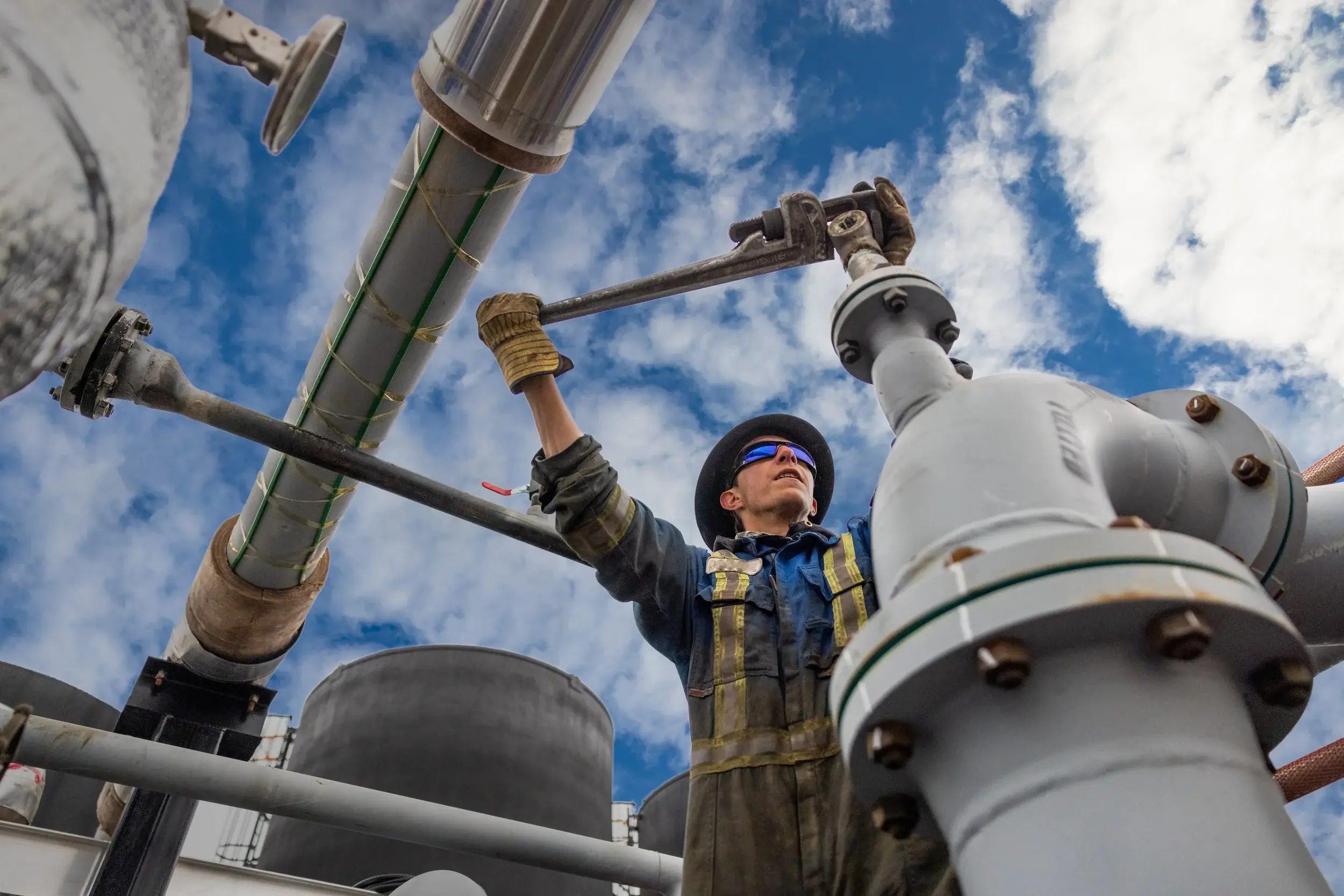
Safe work depends on a shared understanding of the plant condition, energy state, work scope, interfaces, and the exact point at which operational control changes hands.
Reliable control connects plant condition, work authority, people, contractors, energy status, and emergency readiness at every transfer of responsibility.
Hydrocarbons, chemicals, temperature, pressure, connected systems, loss of containment, depressurisation, draining, venting, testing, and integrity.
Area classification, gas testing, hot work, static, electrical equipment, vehicles, ventilation, continuous monitoring, alarms, and emergency action.
Confined spaces, rescue, scaffolding, structures, dropped objects, cranes, suspended loads, line of fire, weather, access, and equipment condition.
Permits, work packs, interfaces, shutdowns, operations, projects, vendors, supervision, changes, shift handover, stop-work, and close-out.
The scope can focus on one permit process, isolation, contractor interface, shutdown, recurring failure, modification, site, or broader operating system.
Talk through the assetGovernance, operating control, roles, permits, isolation, shift handover, inspections, contractor standards, incidents, emergency readiness, assurance, and performance review.
Work planning, system boundaries, permits, energy control, simultaneous work, lifting, entry, hot work, changes, reinstatement, close-out, and learning.
Prequalification, competence, work packs, access, equipment, permits, supervision, subcontractors, communication, stop-work, evidence, and client interfaces.
Design risk, management of change, construction interfaces, tie-ins, commissioning, energisation, documentation, operational readiness, handover, and post-start review.
Confirm the facility, process, asset state, work scope, contractor structure, current control system, and the event or concern prompting the conversation.
Yes. A focused review can examine permit-to-work, lockout and isolation, gas testing, confined-space entry, hot work, lifting, line breaking, contractor interfaces, or reinstatement.
Yes. The scope can consider planning, work packs, permits, isolation, simultaneous operations, contractors, temporary facilities, supervision, changes, shift handover, emergency response, close-out, and learning.
A common operating framework can define authority, minimum controls, permits, reporting, assurance, and stop-work expectations, while work-specific arrangements address the plant condition, task, contractor, and local interfaces.
Bring the facility and process overview, asset or shutdown state, work scope, contractor structure, relevant procedures and permits, recent incidents or findings, and the issue prompting the review.
Tell us about the facility, asset state, work, contractors, energy, and current concern. We’ll help define the right starting point.
Discuss oil and gas risk