Projects move quickly.
Procurement, civil work, installation, connection, and commissioning overlap while teams, contractors, and priorities keep changing.

Connect project delivery, electrical systems, work at height, remote sites, contractors, commissioning, and operational handover through practical control.
Discuss the project
Solar, wind, and storage projects combine construction, electrical, lifting, vehicle, remote-site, and contractor risks. The challenge is keeping those controls connected as the asset changes phase.
Procurement, civil work, installation, connection, and commissioning overlap while teams, contractors, and priorities keep changing.
Distance, weather, access, communications, welfare, vehicle movement, and emergency response alter what reliable control requires.
DC and AC systems, stored energy, testing, energisation, isolation, and handover introduce new conditions around familiar work.
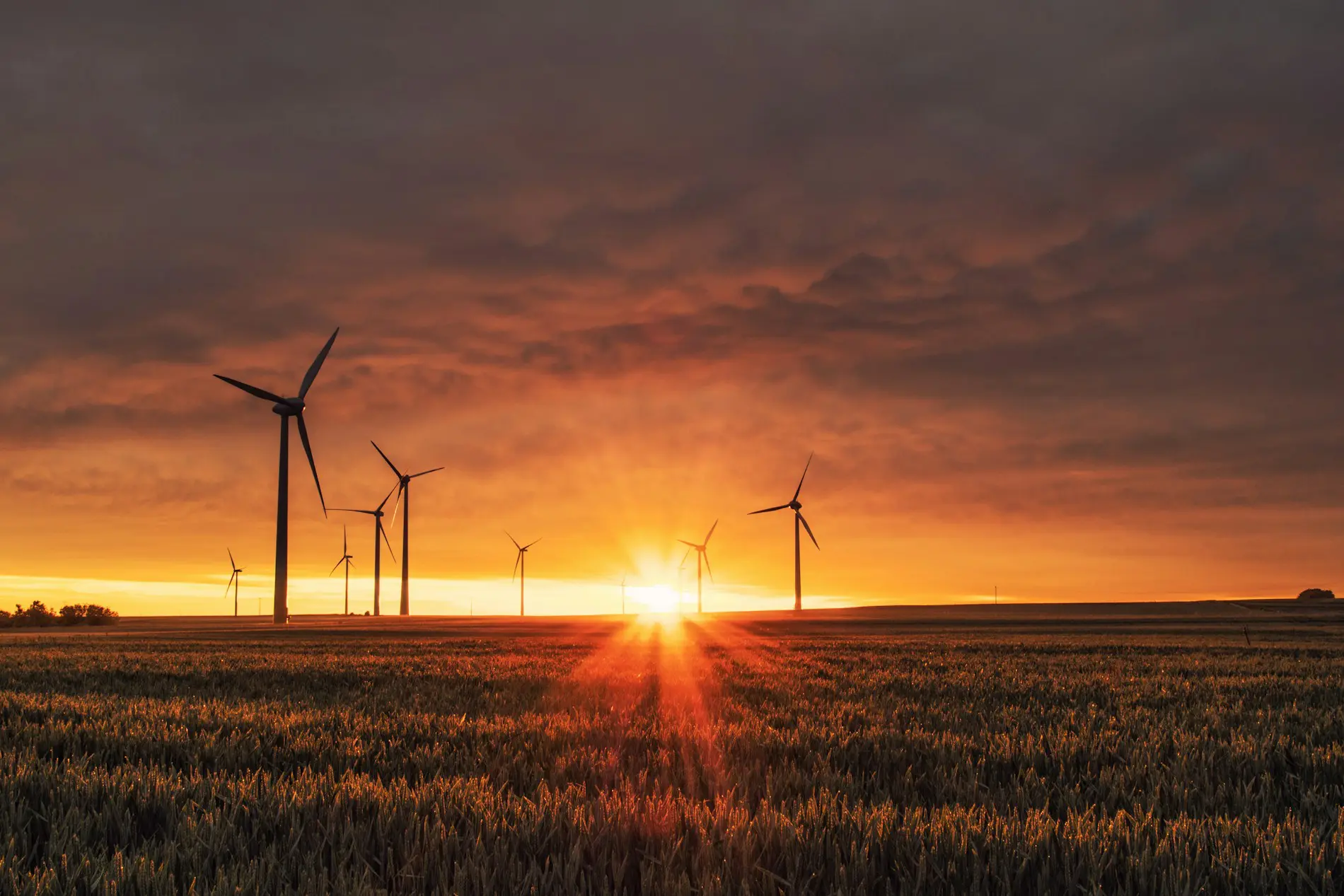
The project moves from civil works and equipment installation into testing, energisation, operations, and maintenance. Responsibilities and work boundaries need to change with it.
Reliable control connects the physical work, energy state, contractors, location, and asset phase instead of treating each as a separate system.
System status, isolation, testing, switching, authorisation, arc and shock exposure, batteries, backfeed, temporary supply, and evidence.
Turbines, roofs, elevated structures, cranes, telehandlers, suspended loads, rescue, dropped objects, weather limits, and equipment condition.
Travel, lone or small teams, communications, weather, access, welfare, emergency response, medical support, security, and public interfaces.
Procurement, competence, work packages, permits, supervision, simultaneous operations, design changes, commissioning boundaries, and handover.
The scope can focus on one risk, contractor, site, transition, or the full route from development through operations.
Talk through the phaseGovernance, design-stage risk, appointments, contractor expectations, reporting, assurance, change control, commissioning strategy, and operational readiness.
Construction planning, responsibilities, interfaces, permits, lifting, electrical work, work at height, logistics, supervision, and corrective action.
Work methods, competence, tools and equipment, access, energy status, testing, quality records, communication, subcontractors, and evidence.
Handover, operating procedures, isolation, planned work, reactive response, remote sites, contractors, inspection, incidents, and continuous improvement.
Confirm the technology, phase, site, energy status, contractor structure, current controls, and transition or event prompting the conversation.
Yes. Early support can help connect design-stage risk, client duties, procurement expectations, contractor appointments, site planning, emergency arrangements, and the evidence the project will need later.
Yes. The scope can focus on commissioning boundaries, energisation status, authorisations, isolation, simultaneous work, communication, defects, handover, and the controls needed around a changing asset.
A common framework can define governance, minimum controls, reporting, and assurance, while site- and contractor-specific arrangements address technology, phase, access, work scope, and local conditions.
Bring the project phase, site overview, contractor structure, programme, energy or commissioning status, key work packages, current plans and procedures, and any recent incidents, findings, or client concerns.
Tell us about the technology, phase, site, contractors, energisation status, and current concern. We’ll help define the right starting point.
Discuss renewable energy risk