The public stays close.
Traffic, pedestrians, children, customers, residents, and vulnerable people continue to move around temporary work zones and changing access routes.

Connect roads, utilities, water, waste, facilities, traffic, pedestrians, plant, contractors, communities, and service continuity through practical control.
Discuss the contract
Municipal work is delivered around residents, road users, pedestrians, businesses, public facilities, and essential services. The control boundary must remain clear even when the site cannot be fully separated.
Traffic, pedestrians, children, customers, residents, and vulnerable people continue to move around temporary work zones and changing access routes.
Water, sanitation, roads, electricity, waste, drainage, public buildings, and community facilities cannot simply stop while work is completed.
Municipal clients, principal contractors, service providers, subcontractors, utilities, traffic authorities, and communities may each hold part of the same decision.
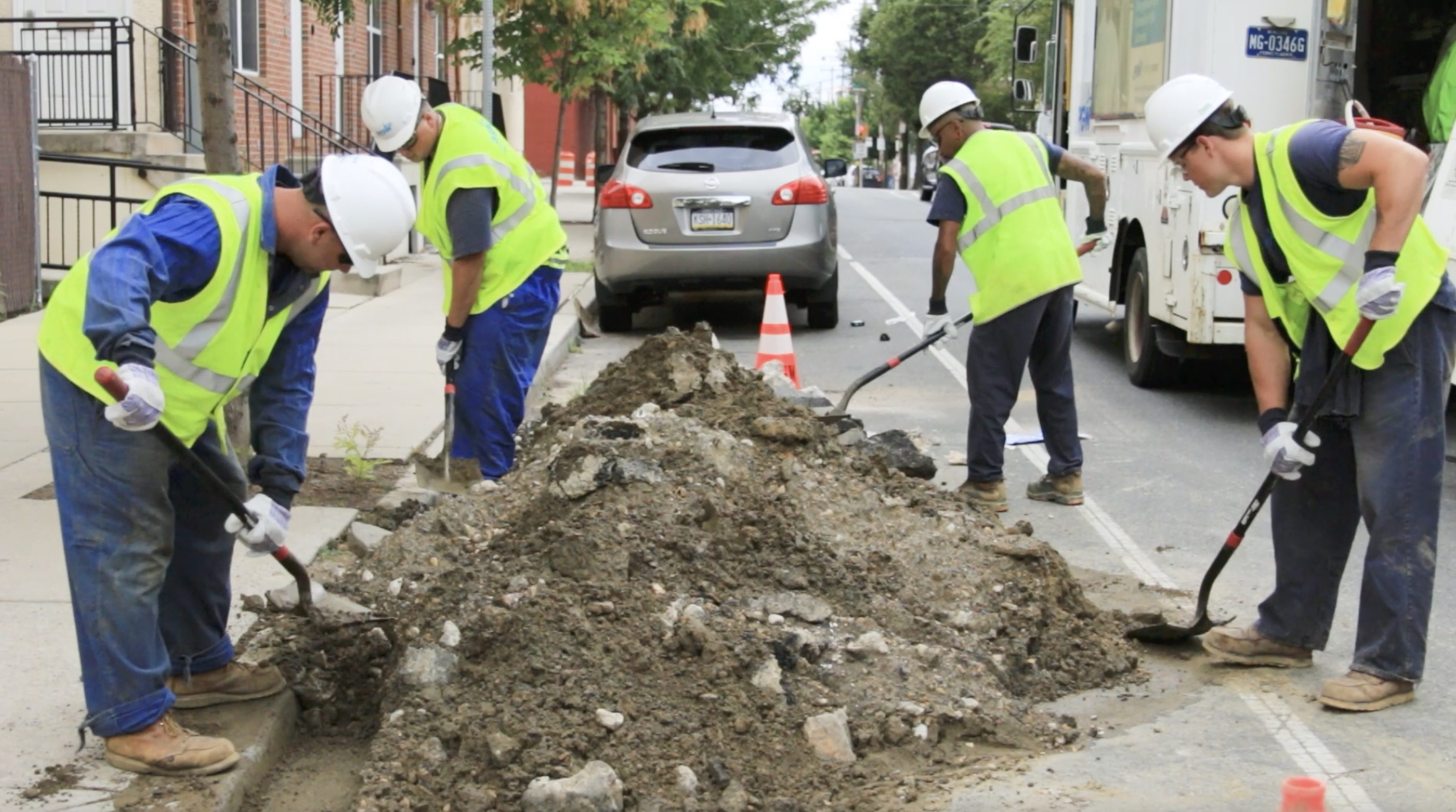
The work moves through planning, travel, site establishment, excavation or maintenance, public interfaces, service restoration, and final reinstatement.
Reliable control connects the contractor’s work method with public movement, live services, client requirements, and the changing condition of the street or facility.
Vehicles, pedestrians, cyclists, crossings, schools, businesses, residents, temporary routes, visibility, signs, barriers, flag control, and access.
Service information, locating, trial holes, support, collapse, water ingress, access, spoil, underground utilities, overhead lines, testing, and emergency response.
Travel, reversing, lifting, mobile equipment, tools, roadside exposure, weather, remote locations, breakdowns, inspections, competence, and line of fire.
Appointments, subcontractors, supervision, public communication, complaints, vulnerable people, temporary measures, incidents, evidence, handover, and defects.
The scope can focus on one contract, work zone, excavation process, recurring event, service, facility, contractor interface, or wider municipal programme.
Talk through the contractScope and specification, appointments, contractor standards, public protection, reporting, inspections, incidents, performance review, assurance, defects, and programme learning.
Planning, resources, supervision, traffic control, excavation, plant, utilities, public interfaces, subcontractors, emergency arrangements, records, and client reporting.
Competence, work methods, access, tools and plant, utility information, permits, interfaces, temporary controls, communication, evidence, and handback.
Call-outs, travel, site assessment, urgent work zones, live services, temporary repairs, public communication, after-hours work, escalation, reinstatement, and close-out.
Confirm the service, contract scope, work locations, public interfaces, contractor structure, current controls, and the issue prompting the conversation.
Yes. A focused review can examine one municipal contract, excavation process, traffic interface, public facility, recurring call-out, subcontractor, work zone, or recent incident.
Yes. The review can consider work-zone layout, signs, barriers, visibility, temporary routes, crossings, schools, businesses, residents, vehicles, flag control, public communication, inspections, and changing conditions.
A common operating framework can define minimum controls, responsibilities, reporting, inspection, and evidence, while task- and location-specific arrangements address the service, work method, public interface, and local conditions.
Bring the contract and service overview, typical work locations, contractor structure, client requirements, traffic or public arrangements, current procedures, recent incidents or findings, and the issue prompting the review.
Tell us about the contract, service, locations, contractors, public interfaces, and current concern. We’ll help define the right starting point.
Discuss municipal contractor risk