Machines create reach.
Motion, pressure, temperature, stored energy, tooling, guarding, and automation extend the consequences of a single decision.

Connect machinery, energy, maintenance, competence, contractors, and changing production demands through practical operating control.
Discuss the operation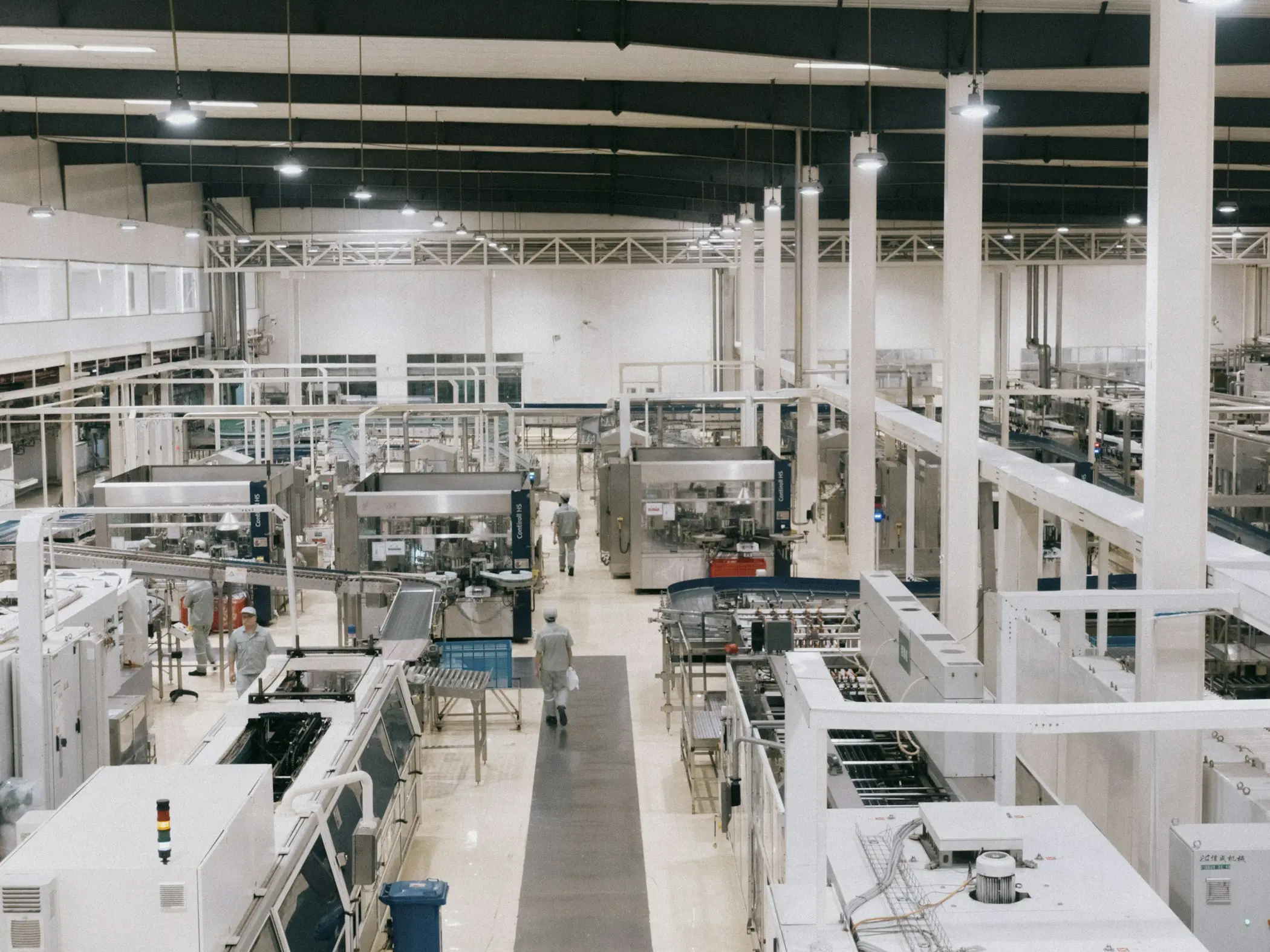
People, equipment, materials, energy, methods, information, and time all meet on the production floor. When one changes, the risk picture changes with it.
Motion, pressure, temperature, stored energy, tooling, guarding, and automation extend the consequences of a single decision.
Operators, artisans, engineers, supervisors, cleaners, and contractors need clear authority and competence for the work they perform.
New products, settings, materials, shifts, breakdowns, projects, and temporary work can bypass familiar routines.
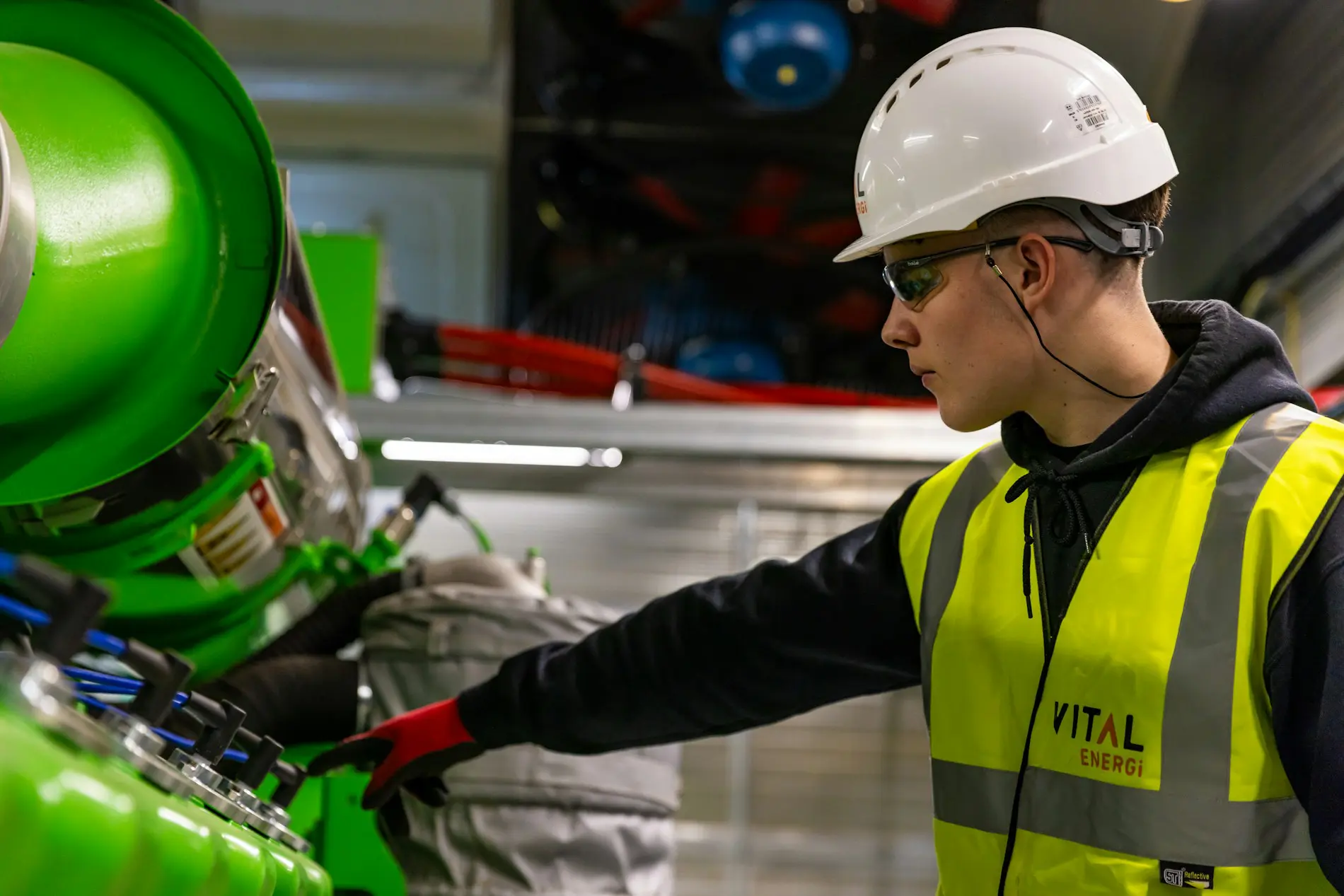
The highest exposure often appears when normal production stops, a person intervenes, or equipment behaves differently from the expected process.
Effective safety support follows how materials, energy, people, and equipment move through the operation.
Guarding, interlocks, entanglement, crushing, cutting, automated movement, access, and intervention.
Electrical, mechanical, hydraulic, pneumatic, thermal, gravity, pressure, and unexpected release.
Handling, storage, dust, fumes, chemicals, waste, temperature, exposure routes, and occupational hygiene.
Forklifts, pedestrians, loading, racking, lifting, stacking, internal traffic, and constrained production space.
Control depends on decisions made from the boardroom to the machine, maintenance workshop, warehouse, and contractor work area.
Talk through the operationAccountability, risk priorities, legal duties, resources, performance review, change management, and assurance across the operation.
Machine safety, isolation, planned work, breakdowns, modifications, contractors, testing, handback, and technical records.
Operating routines, competence, shift communication, inspections, deviations, housekeeping, incidents, and corrective action.
Scope definition, procurement expectations, permits, interfaces, temporary work, commissioning, oversight, and close-out.
Confirm the process, equipment, shifts, people exposed, current concern, recent changes, and the evidence available.
Yes. A focused review can examine one line, machine group, maintenance activity, contractor interface, or recurring failure before defining any broader programme.
Yes. The scope can assess access, guarding, interventions, energy sources, isolation arrangements, responsibilities, competence, verification, and how equipment returns to service.
Many observations, interviews, document reviews, and routine checks can happen around operations. Any activity requiring access, testing, or interference with equipment must be planned with the responsible production and engineering teams.
Bring the process overview, equipment or area involved, shift structure, recent incidents or findings, relevant procedures, maintenance information, and details of the concern prompting the review.
Tell us about the process, machinery, maintenance activity, recent change, or recurring issue. We’ll help define the right starting point.
Discuss manufacturing risk