Receive it safely.
Check suppliers, deliveries, condition, temperature, traceability, storage priority, and the information needed before food enters the operation.

Turn hygiene, handling, storage, preparation, and records into controls your team can follow every shift.
Discuss your food safety needs
The strongest system is visible in receiving, storage, preparation, cleaning, service, transport, and the records that show each control is working.
Check suppliers, deliveries, condition, temperature, traceability, storage priority, and the information needed before food enters the operation.
Keep hygiene, separation, time, temperature, cleaning, allergens, equipment, and handling expectations clear at every stage.
Use practical checks, records, corrective actions, and supervision to show that controls are active, not simply documented.
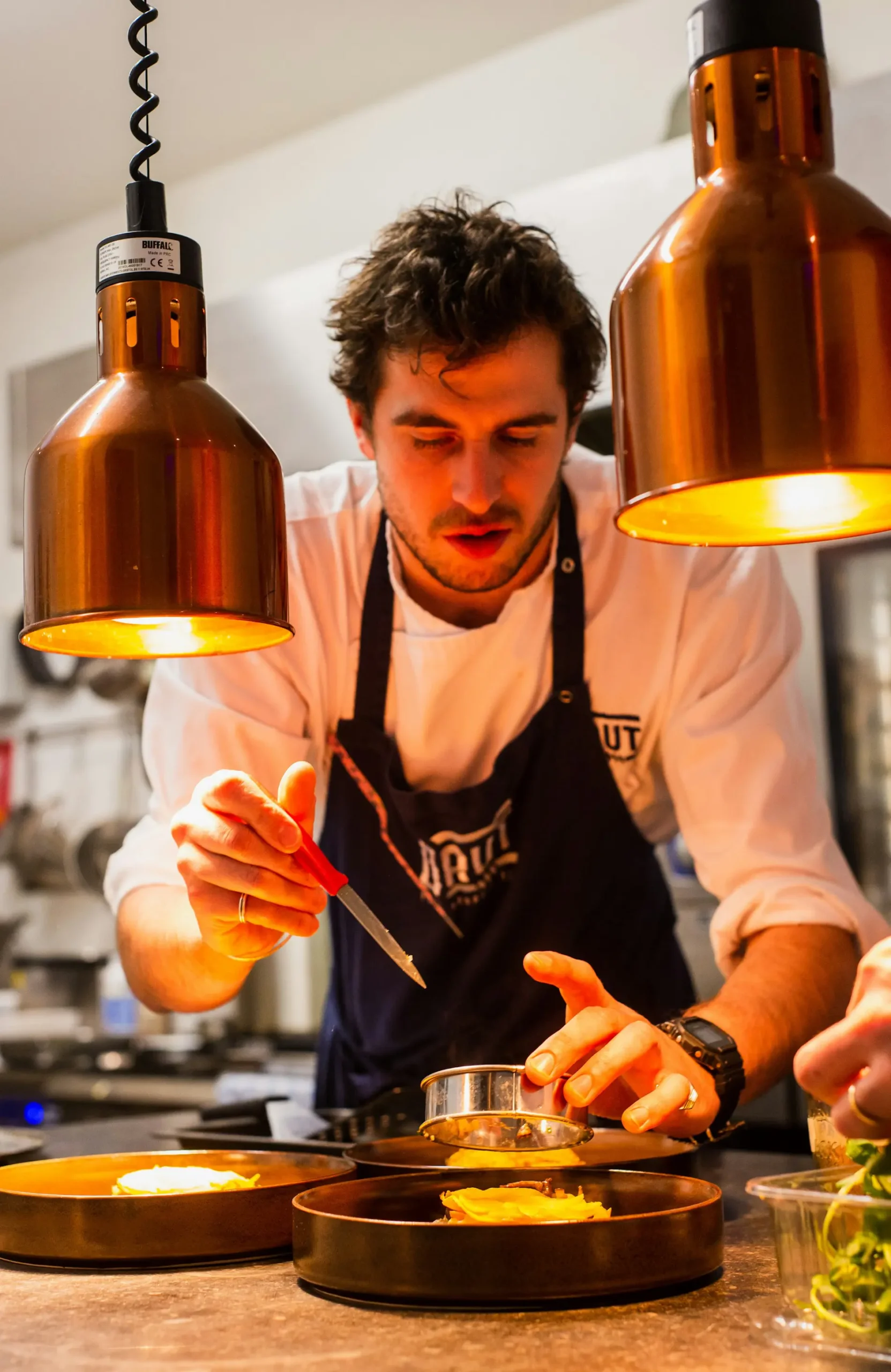
Food safety risk moves with the product. Useful control connects the supplier, premises, people, equipment, preparation process, transport, service, and customer.
The work should make safe practice easier to follow, problems quicker to spot, and corrective action clear when conditions move outside the standard.
Review the premises, process, people, records, existing controls, and the points where food safety can fail.
Shape procedures, checks, responsibilities, specifications, and records around the way the operation actually works.
Brief the people responsible so they understand the control, the reason for it, and what to do when something is wrong.
Use inspections, reviews, testing where appropriate, and corrective action to confirm the system remains active.
The scope can focus on one process or support a broader food safety programme across premises, suppliers, vehicles, and teams.
Talk through the operationPractical assessment of layout, workflow, hygiene, storage, handling, temperature control, cleaning, waste, pests, and equipment.
Policies, procedures, monitoring checks, traceability, supplier controls, corrective actions, responsibilities, and review routines.
Gap reviews, preparation for client or authority visits, corrective action planning, and support after findings or incidents.
Role-relevant guidance for handlers, supervisors, managers, cleaning teams, drivers, contractors, and other responsible people.
Confirm the products, processes, premises, service model, transport arrangements, current concerns, and the standards the operation must meet.
No. Support can be shaped for hospitality, catering, retail, food preparation, storage, distribution, transport, and other operations where food safety controls are required.
Yes. A readiness review can identify gaps, organise evidence, prioritise corrective actions, and help responsible teams understand what must be maintained.
Yes. Support can continue through procedures, records, responsibilities, training, corrective actions, supplier controls, and routine verification.
Yes, where appropriate. On-site training can connect food safety expectations to the actual layout, equipment, products, processes, and roles.
Tell us about the premises, products, process, transport, and concern you need to resolve. We’ll help define the right support.
Plan a food safety review