Plan the interfaces.
Clarify who controls each stage, how contractors interact, where high-risk work overlaps, and what must be ready before work begins.

Connect appointments, safety files, contractors, inspections, meetings, and daily site decisions through registered construction safety expertise.
Discuss your project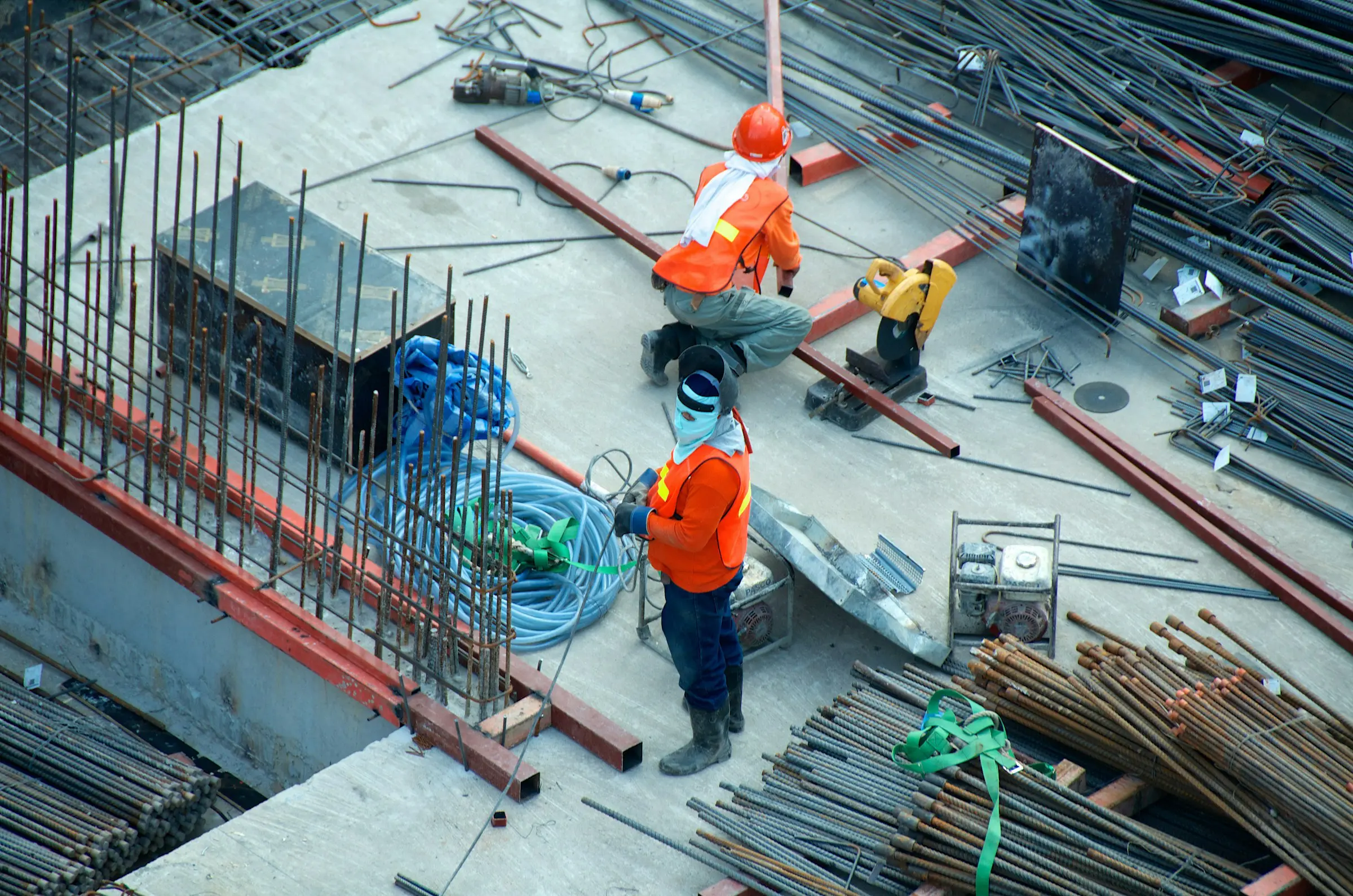
Excavations become structures, trades overlap, access routes move, temporary works are altered, and new contractors arrive. Control has to follow the project, not remain fixed in the original file.
Clarify who controls each stage, how contractors interact, where high-risk work overlaps, and what must be ready before work begins.
Connect appointments, competencies, inductions, methods, permits, supervision, and communication across the site.
Use inspections, meetings, observations, records, and corrective actions to show what is happening and what needs attention.
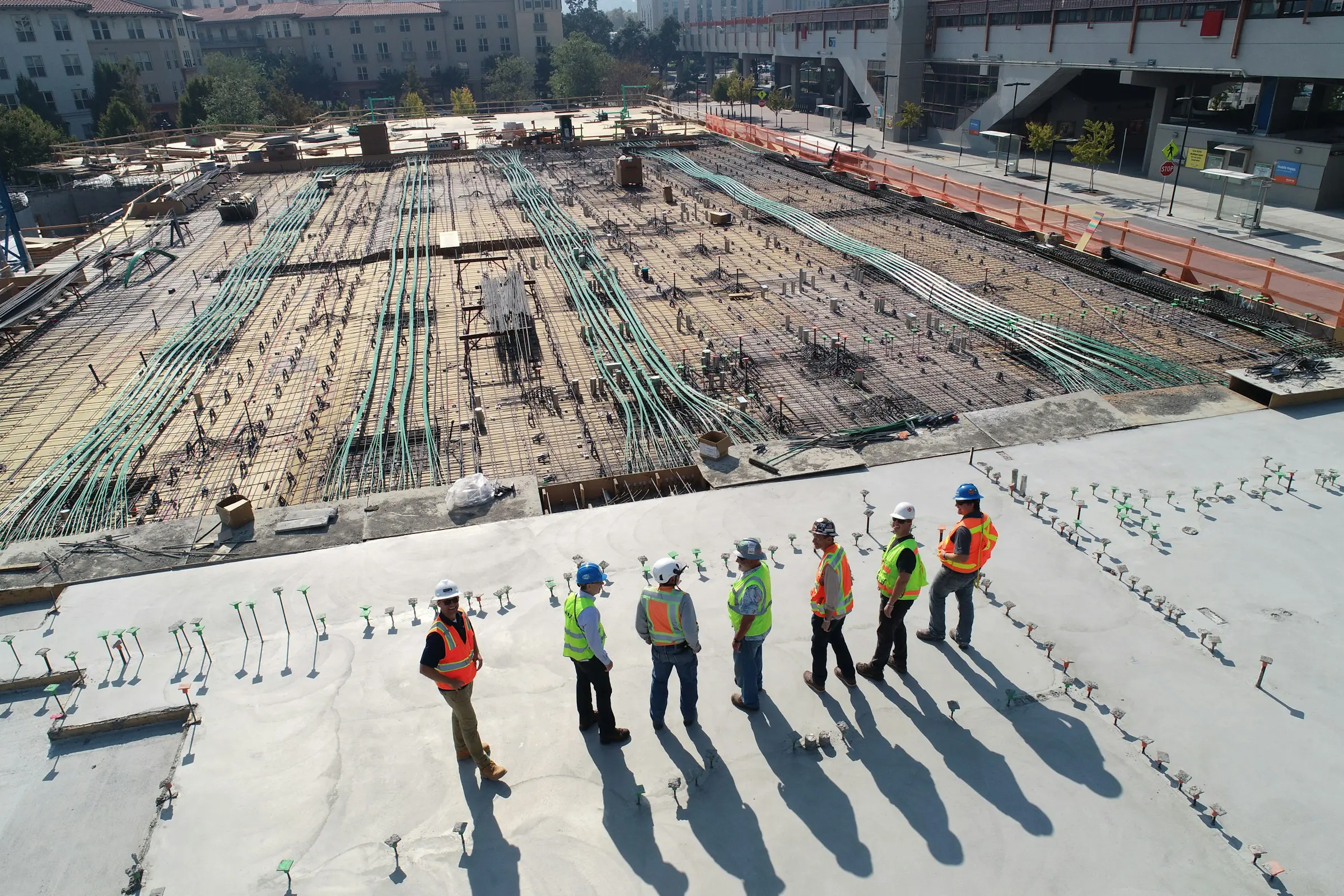
Construction safety works when the client, design team, principal contractor, contractors, supervisors, and workers understand what they own and how their decisions affect others.
Support can begin before mobilisation and continue through the changing phases of construction, close-out, and the evidence required at project completion.
Clarify responsibilities, project risks, required appointments, specifications, documentation, resources, and monitoring arrangements.
Prepare the site system, review contractor information, complete inductions, confirm competencies, and check readiness.
Support inspections, audits, meetings, toolbox talks, permits, incidents, corrective actions, and changing site conditions.
Track outstanding actions, organise records, support handover, and capture lessons that should carry into future work.
The scope can support one urgent site issue, a specific appointment, or the broader health and safety requirements of the project.
Talk through the projectProject risk information, specifications, appointments, contractor expectations, procurement input, and monitoring arrangements.
Site-specific plans, procedures, registers, permits, records, responsibilities, and practical implementation routines.
Workplace inspections, contractor reviews, compliance audits, findings, corrective actions, and management reporting.
Site meetings, toolbox talks, briefings, inductions, incident reviews, supervisor support, and consultation with the people doing the work.
Confirm the project stage, parties appointed, planned work, site conditions, contractor profile, current documentation, and the decisions support must enable.
Yes. The file should reflect the project, planned activities, appointments, responsibilities, methods, risks, controls, and records the site will actually maintain.
Yes. Support can include implementation, inspections, audits, meetings, toolbox talks, contractor coordination, incidents, corrective actions, and management reporting.
SMG can support different project duty holders, provided the appointment, responsibilities, independence, and scope are clearly defined.
Yes. A focused review can compare the documents with actual site conditions, identify gaps, and prioritise the actions needed to restore practical control.
Tell us about the project stage, contractors, site conditions, and the support you need. We’ll help define a practical scope.
Plan construction safety support