Occupants shape the boundary.
Employees, tenants, visitors, customers, residents, and the public move through spaces that service teams must also access and control.

Connect occupied premises, building systems, maintenance teams, service providers, public interfaces, emergencies, and landlord duties through practical control.
Discuss the property
People expect the building to remain available while maintenance, cleaning, security, deliveries, repairs, projects, and emergency arrangements continue around them.
Employees, tenants, visitors, customers, residents, and the public move through spaces that service teams must also access and control.
Routine equipment becomes a work area when it is opened, isolated, repaired, tested, cleaned, or returned to service.
Owners, landlords, managing agents, tenants, contractors, and service providers can each hold part of the same operational responsibility.
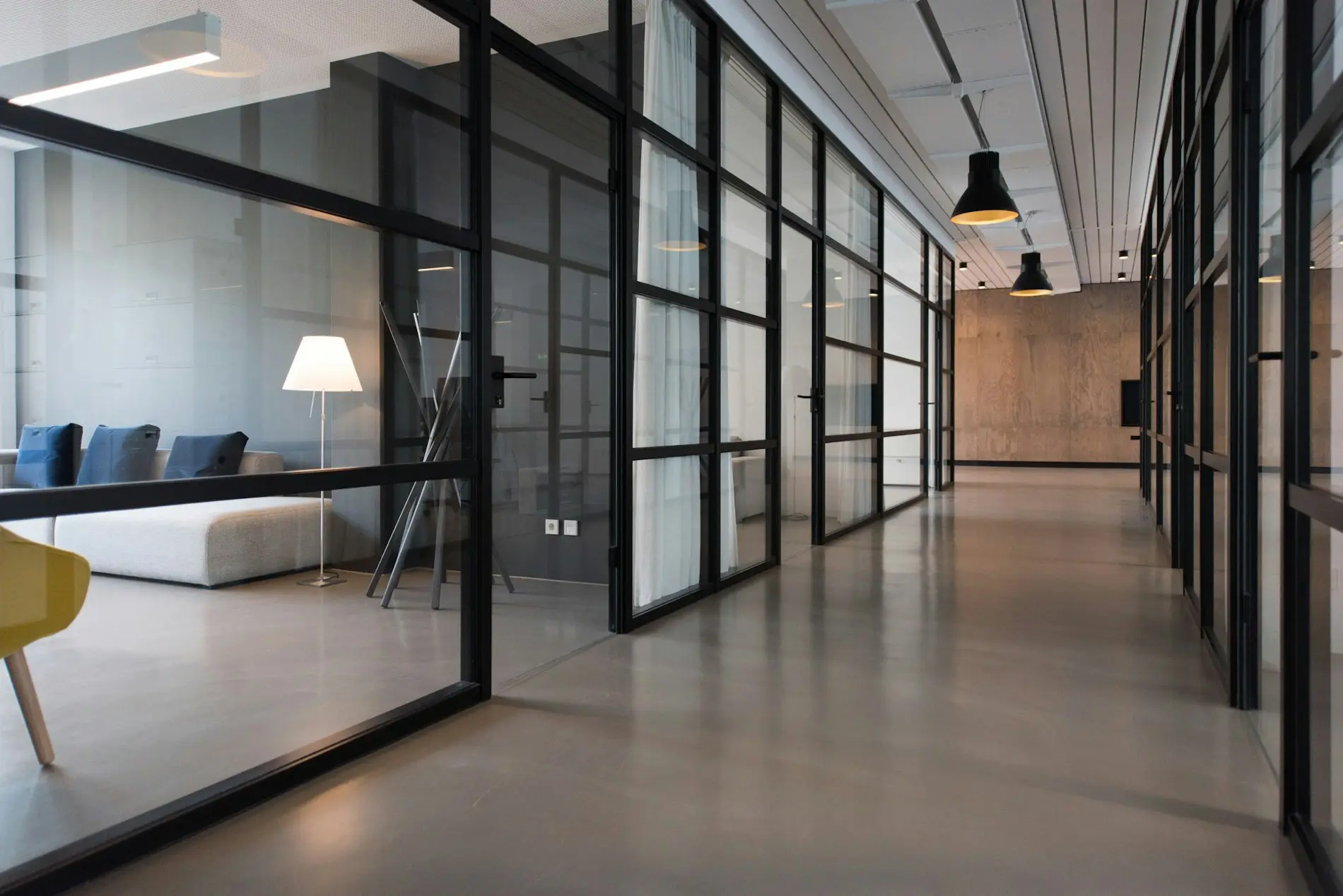
The visible workplace depends on plant rooms, roofs, service areas, access systems, contractors, inspection records, and decisions that occupants rarely see.
Reliable property control keeps technical systems, people, service providers, records, and emergency decisions aligned without disrupting the purpose of the building.
Plant rooms, distribution, isolation, HVAC, lifts, pressure systems, water, backup power, alarms, inspection, maintenance, and defects.
Roofs, ladders, ceilings, facades, elevated equipment, confined areas, rescue, dropped objects, barriers, permits, and public protection.
Detection, suppression, evacuation, occupancy, vulnerable people, drills, routes, assembly, impairment, communication, and incident response.
Procurement, access, inductions, supervision, work areas, service interruption, temporary controls, tenant communication, handback, and evidence.
The scope can focus on one building, system, contractor, recurring failure, refurbishment, emergency arrangement, or a complete portfolio.
Talk through the propertyGovernance, legal duties, appointments, tenant interfaces, service-provider standards, emergency oversight, performance review, assurance, and portfolio priorities.
Daily controls, maintenance planning, work orders, permits, inspections, incidents, corrective action, contractor coordination, records, and management reporting.
Competence, work methods, access, isolation, equipment, supervision, subcontractors, emergency response, handback, and evidence across client properties.
Project interfaces, occupied-site controls, fit-outs, fire and building-system changes, commissioning, information transfer, readiness, and safe reoccupation.
Confirm the building type, occupancy, management structure, service providers, technical systems, current controls, and the issue prompting the conversation.
Yes. A focused review can examine one property, plant room, contractor interface, maintenance process, emergency arrangement, recurring failure, fit-out, or high-risk work activity.
Yes. The review can account for occupants, tenants, visitors, customers, public access, vulnerable people, operating hours, service continuity, communication, restricted areas, and temporary controls.
A common operating framework can define governance, minimum controls, reporting, assurance, and contractor expectations, while property-specific arrangements address occupancy, systems, access, and local emergency conditions.
Bring the property profile, occupancy and tenant information, management structure, service-provider list, maintenance and emergency arrangements, recent incidents or findings, and the issue prompting the review.
Tell us about the property, occupants, systems, contractors, current work, and recurring issue. We’ll help define the right starting point.
Discuss facilities and property risk