The yard sets the pace.
Arrivals, queues, reversing, pedestrians, contractors, loading bays, and changing traffic place different activities in the same space.

Connect yards, warehouses, loading areas, vehicles, drivers, contractors, and delivery points through one practical operating system.
Discuss the operation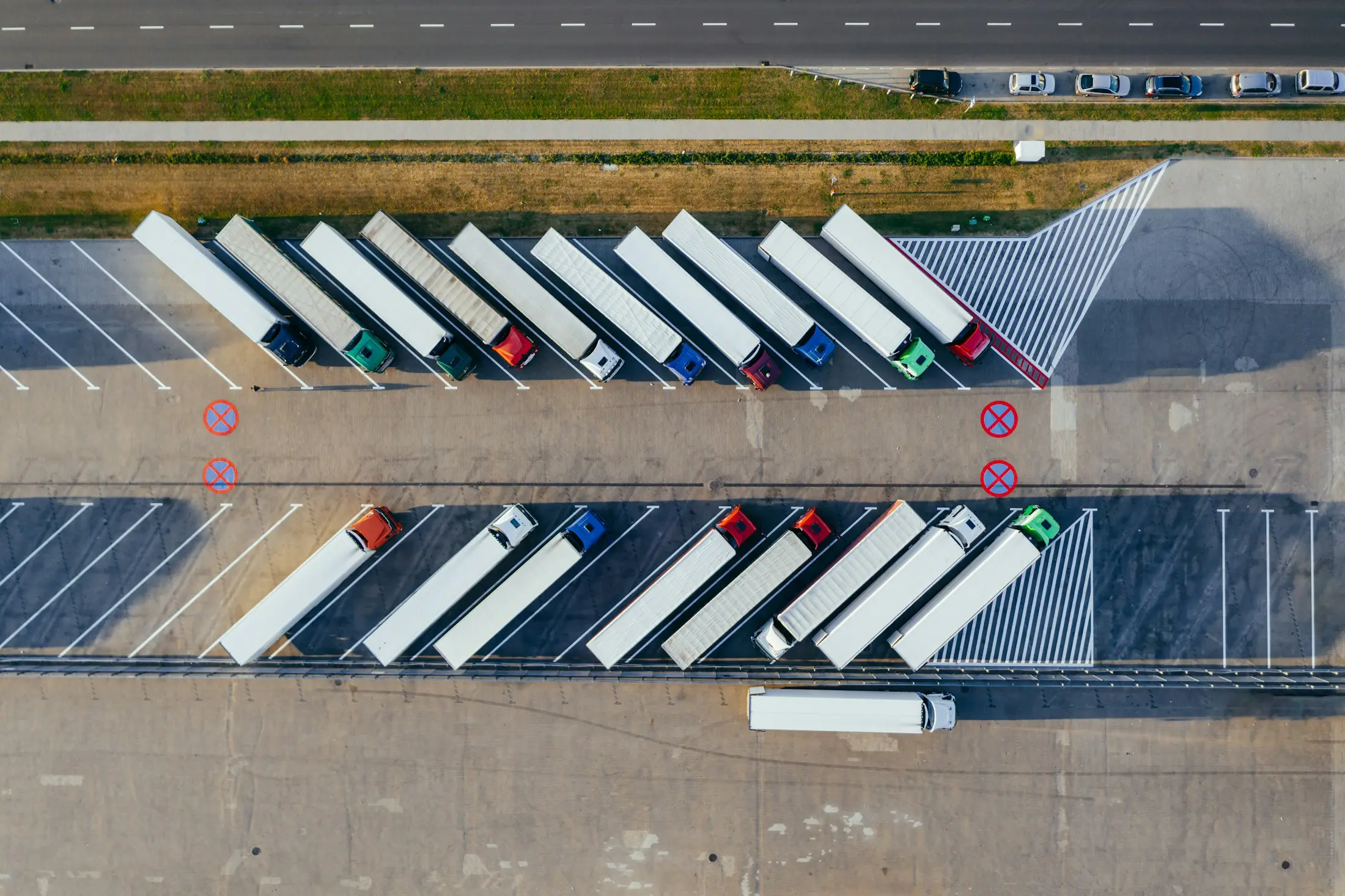
A load moves through people, equipment, spaces, systems, vehicles, and sites. Control can fail at any handoff, even when every team believes its own task is complete.
Arrivals, queues, reversing, pedestrians, contractors, loading bays, and changing traffic place different activities in the same space.
Storage density, handling equipment, order flow, housekeeping, racking, and deadlines shape the way people work.
Drivers, vehicles, routes, fatigue, weather, clients, public roads, and remote decisions carry control beyond the depot.
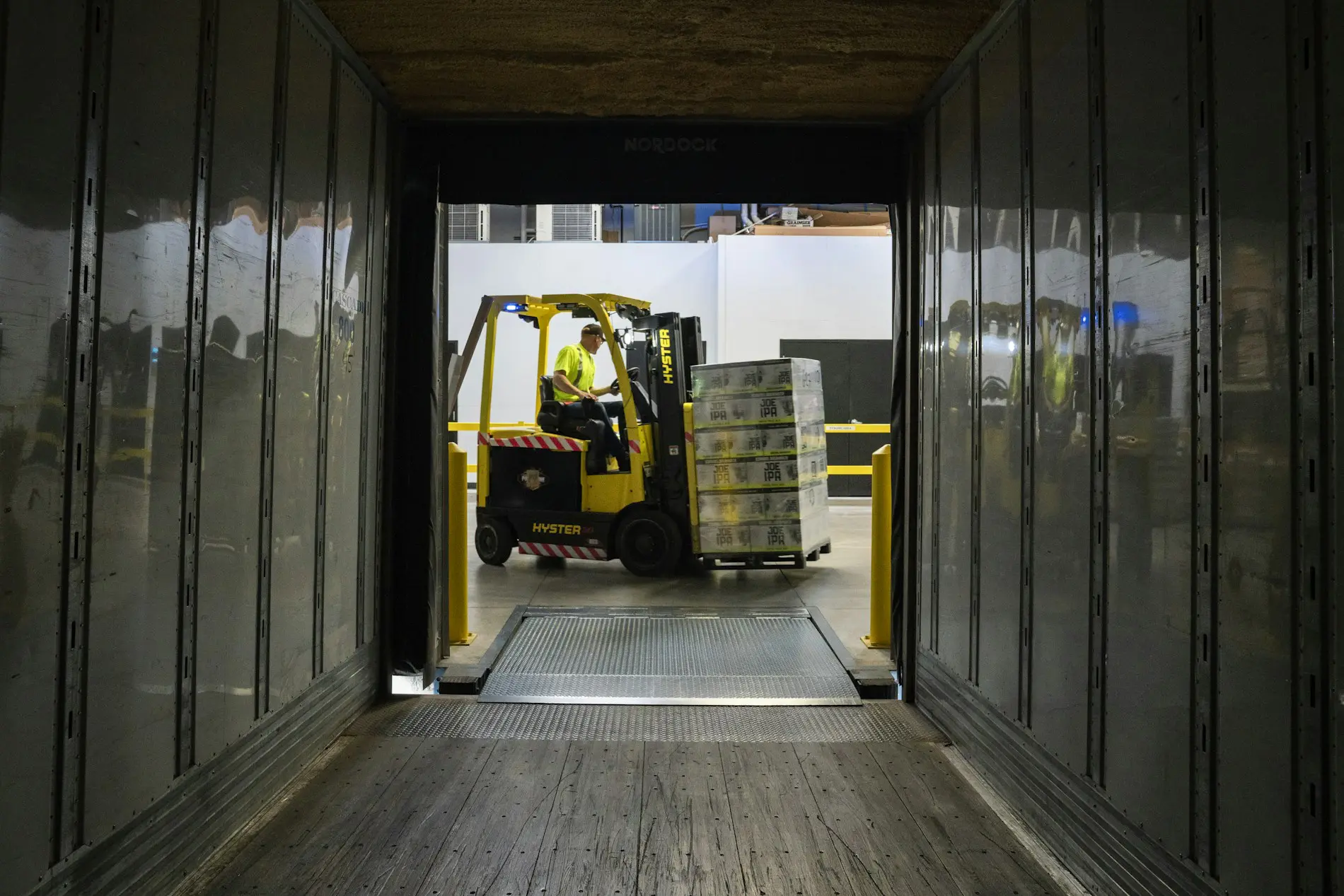
The responsibility may move from gate control to warehouse teams, loaders, drivers, and client sites, but the load and its risks remain connected.
Effective control keeps people, vehicles, equipment, loads, and information aligned as goods move through the operation.
Segregation, crossings, visibility, reversing, speed, blind spots, visitors, and shared work areas.
Stability, restraint, stacking, racking, lifting, damaged goods, manual handling, and falling objects.
Fitness, fatigue, schedules, routes, weather, communication, breakdowns, roadside exposure, and public traffic.
Access rules, loading bays, client requirements, subcontractors, temporary labour, interfaces, and incident reporting.
The right scope can focus on one yard, warehouse, route, fleet, recurring event, or the complete path from receipt to delivery.
Talk through the routeResponsibilities, risk priorities, contractor standards, performance review, incident learning, resources, and assurance across locations.
Traffic management, forklift activity, racking, loading bays, housekeeping, inspections, supervision, and corrective action.
Vehicle readiness, driver competence, fatigue, journey planning, roadside events, reporting, maintenance interfaces, and follow-up.
Procurement expectations, access, inductions, site rules, delivery interfaces, subcontractors, communication, incidents, and evidence.
Confirm what moves, where it moves, who handles it, which vehicles and equipment are involved, and where the operation is losing control.
Yes. A focused review can examine one site, loading area, traffic interface, fleet process, recurring event, or high-risk route before defining any broader programme.
Yes. The review can consider routes, crossings, visibility, barriers, speed, reversing, parking, loading activity, visitor control, signage, supervision, and actual movement patterns.
A common operating framework can set expectations, while location-specific requirements address access, facilities, equipment, responsibilities, communication, and emergency arrangements at each interface.
Bring a site or route overview, fleet and equipment information, shift patterns, contractor details, recent incidents or findings, current procedures, and the issue prompting the review.
Tell us about the site, route, vehicles, loads, contractors, and recurring issue. We’ll help define the right starting point.
Discuss logistics risk